


BLACK SATURDAY

Black Saturday
April 4
After the darkness of Good Friday, Holy Saturday invites us into a sacred pause.
This is the quiet day of Holy Week—the day between the crucifixion and the resurrection.
On Friday we remember the suffering and death of Jesus. On Sunday we celebrate His resurrection. But Saturday reminds us of something deeply human: the experience of waiting.
The disciples spent this day confused, grieving, and uncertain about what would come next. Their hopes seemed buried with Jesus.
Yet even in the silence of the tomb, God was still at work.
We invite you to spend part of this day in prayer and reflection, remembering the cost of the cross and anticipating the joy of Easter morning.
The meaning of Black Saturday.
Holy Saturday represents the tension between loss and hope.
To the disciples, it felt like the end of the story.
But in reality, God was preparing the greatest victory in history.
This day reminds us that:
• God is working even when we cannot see it
• Waiting is often part of faith
• Darkness never has the final word
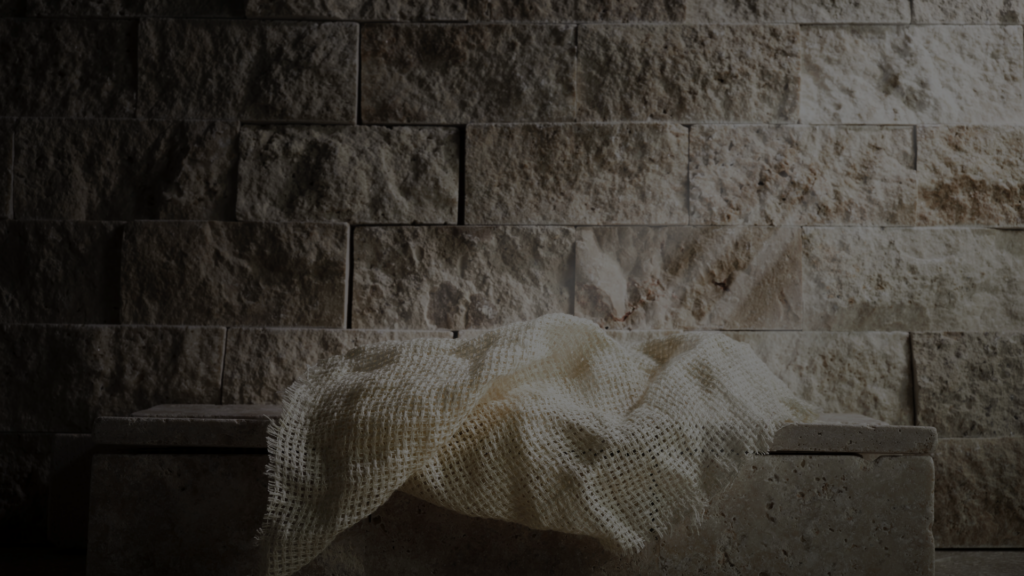
As we reflect on the cross and the sealed tomb, we prepare our hearts to celebrate the resurrection with greater joy and gratitude.
How to observe the day.
Holy Saturday is not meant to be busy or rushed. Instead, we encourage you to create space for quiet reflection and prayer.
You may spend 15 minutes or several hours throughout the day focusing your heart on Christ.
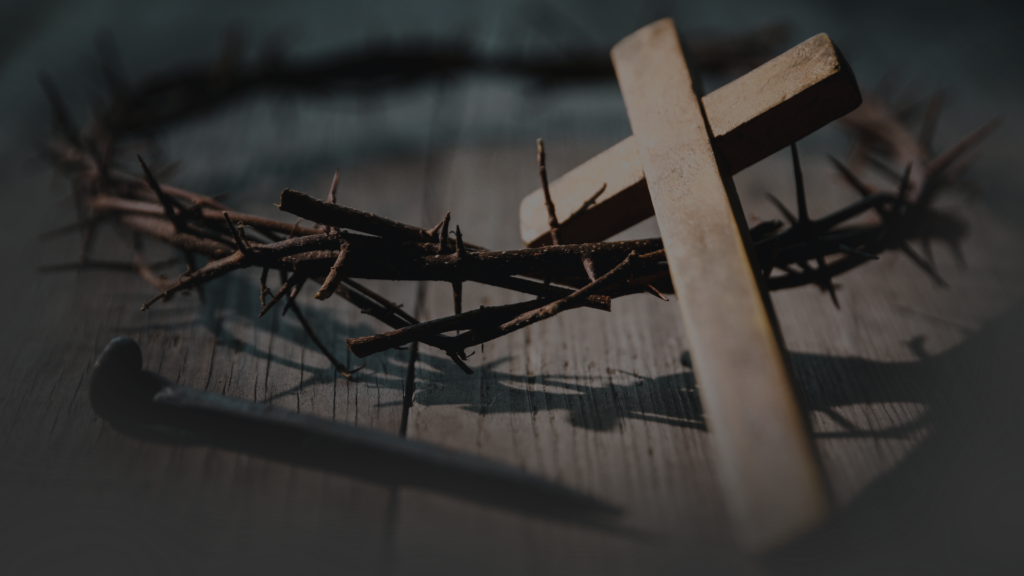
Take time to remember what Jesus endured for us.
Read passages describing His crucifixion and burial.
Suggested Scriptures:
• Matthew 27:27–61
• Luke 23:32–56
• John 19:16–42
• Isaiah 53
As you read, thank Jesus personally for His sacrifice.
Holy Saturday reminds us that faith often involves trusting God in seasons of waiting.
Take a few minutes to sit quietly before God.
Reflect on questions like:
• Where do I need to trust God even when I cannot see what He is doing?
• What burdens do I need to surrender to Him?
• How has the cross changed my life?
Let this be a moment of honest conversation with God.
Spend time thanking God for:
• The sacrifice of Jesus
• The forgiveness of sins
• The promise of resurrection
• The hope we have in Christ
Gratitude prepares our hearts to celebrate Easter with genuine joy.
As the day concludes, begin anticipating the celebration of Easter.
Pray that:
• Your heart would be filled with awe at the resurrection
• Our church would celebrate with genuine joy
• Many people would encounter the hope of Christ
Holy Saturday teaches us patience.
Between the cross and the resurrection lies a season of waiting—but waiting in faith.
When we pause to reflect on this day, we remember that God’s greatest victories often happen when it seems like nothing is happening at all.
Let this day slow your heart and deepen your gratitude.
Frequently Asked Questions
No. This is a personal and family devotional day to observe wherever you are.
There is no set amount of time. Some people may spend 10–15 minutes while others may spend longer periods throughout the day.
Yes. This is a great opportunity for families to talk about the meaning of the cross and the resurrection together.
Parents may want to read a short passage about the crucifixion and pray with their children.
es, but we encourage you to carve out intentional quiet moments during the day so that the meaning of Holy Week is not lost in the busyness of the weekend.
Because it reminds us that God is working even in silence.
Taking time to reflect on this day deepens our appreciation for the victory of Easter morning.
- A Day of Grief: It commemorates the sorrow of Jesus’ family and disciples as they sat vigil outside the tomb.
- The Liturgical “Darkness”: Traditionally, the church altar remains bare or is draped in black cloth, the tabernacle is left open and empty, and no sacraments (except in emergencies) are celebrated until the evening vigil.
- Descent into Sheol: In some theological traditions, it marks the period when Christ’s spirit descended into the realm of the dead (Sheol or Limbo).
- Holy Saturday: The most common liturgical name used across Western and Eastern Christianity.
- The Great Sabbath: Particularly used in Eastern Orthodoxy to signify the day of rest Christ took in the tomb, echoing the Sabbath rest after creation.
- Easter Eve / Easter Even: Highlighting its position as the night before the Resurrection.
- Sábado de Gloria (Glorious Saturday): Popular in the Philippines and Spain, referring to the “Gloria” hymn sung during the evening Easter Vigil when the mourning ends.
- Joyous Saturday / Saturday of Light: Used by Coptic and some Eastern Orthodox Christians to celebrate the victory of Christ over death during his descent into the realm of the dead.
- Low Saturday: A less common term used in certain local traditions.
- White Saturday: Sometimes used as a contrast to “Black Saturday,” focusing on the light that begins to break during the vigil.

Prayer Guide
Holy Saturday is the quiet day between the cross and the resurrection. This guide helps you reflect on Christ’s sacrifice and prepare your heart for the celebration of Easter.
Spend time reading about the crucifixion and burial of Jesus. Consider what His sacrifice means for your life.
• Matthew 27:27–61
• Luke 23:32–56
• John 19:16–42
• Isaiah 53
• What burdens do I need to surrender to God today?
• How has the cross changed my life?
• How can I prepare my heart to celebrate the resurrection?
Thank Jesus for His sacrifice, the forgiveness of sins, and the hope of the resurrection. Pray that your heart will be filled with awe and gratitude as you celebrate Easter.